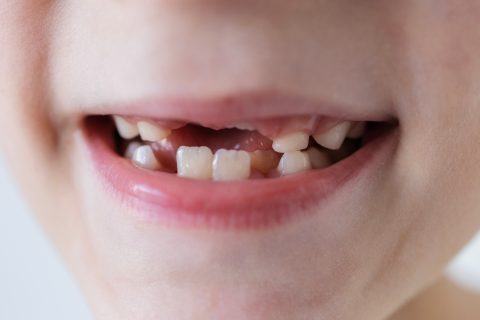
Nobody wants ‘Oliver Twist’ teeth and it’s not great when UK officials compare our children’s teeth to those of the Victorians. Yet Dentistry Minister, Stephen Kinnock, has done just that, claiming the country is experiencing a ‘Dickensian’ oral health crisis that’s left many of our youngest with permanently damaged smiles. Dr Roshanay, clinical director at Lume Dental, offers advice on how to stop the rot.
Published
One in three children living in England’s poorest villages, towns and cities have experienced tooth decay before the age of five: before they’ve even lost all their baby teeth! Yet parents are struggling to do much about it, because long NHS waitlists have turned good oral hygiene into a postcode lottery. In fact, many NHS-funded practices deprioritise under-18’s dental appointments when general demand is high, because they can earn more treating adult patients.
Politicians are stepping up by delivering over 600,000 toothbrushes to children aged three to five, in schools, daycares and nurseries, alongside toothpaste and at-home dental care guides for parents. However, these 23 million oral care products – brought to us via a new partnership between the Government and Colgate-Palmolive – are far from enough. Yes, it’s a great start when it comes to building early, healthy habits. And yes, these habits can help to shift the focus from the treatment-first mentality to preventative care. But this takes time. And no external efforts can guarantee that new healthy habits are kept up long term.
It’s our duty – as parents, teachers, school nurses and professional dentists – to collectively encourage our children to take good care of their own smiles.
It’s our duty – as parents, teachers, school nurses and professional
dentists – to collectively encourage our children to take good care of
their own smiles. No child should have to face pain, bullying, or low
self-esteem because of their teeth or bad breath. And the effects of
poor dental care last well beyond childhood, putting our teens and young
adults in danger of gum disease – and the diabetes, heart disease,
dementia and mental health struggles linked to it – for life.
With so much misinformation out there, looking after young teeth can
be quite confusing. The following five tips will keep you on the right
track, helping you support lifelong good oral health.
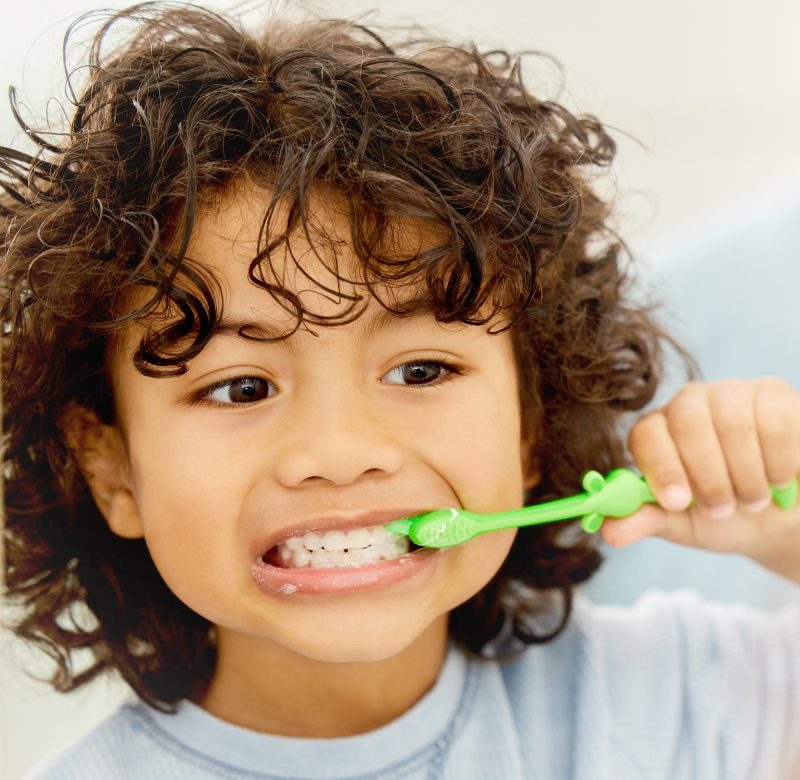
1. Start brushing early on – and make it routine
Baby teeth might be barely visible – but they matter. Begin brushing
as soon as the tip of your child’s very first tooth breaks through the
gums. Just like adult teeth, you’ll need to brush twice a day with a
smear of fluoride toothpaste. Make sure you use a soft toothbrush and
avoid applying too much pressure to protect the gums and mouth.
2. Keep an eye on sugar
One of the reasons young children struggle so much with decay is
sugar. It’s not just the typical sweets and fizzy drinks we need to look
out for. There are often sugars hidden in things like juices and
yogurts – all the things young kids are encouraged to consume. Even when
made specifically for children, these foods can do just as much damage
as real, occasional indulgences. So, brushing after eating – or at least
rinsing with water – must be encouraged.
3. Make regular visits to a reliable dentist
Checkups once every six months might feel like unnecessary extra
weight for a household already struggling with the cost of living. Yet,
it’s far cheaper than paying for fillings, extractions and braces later
on. Plus, it prevents pain, missed days off school and possibly
sleepless nights!
4. Make oral care fun – not a fight
If your toddlers are protesting about this new regime, perhaps
wriggling or running away from the toothbrush, don’t worry. Timers,
songs, more colourful brushes and even brushing together as a family can
all help. There are plenty of creative ideas out there. Just find out
what works for you. Kids won’t understand the consequences of tooth
decay if threatened with it. But they will want to repeat something that
they gained immediate benefit from: fun!
5. Lead by example
Finally, lead by example, brushing twice a day yourself, also cutting
down on sugary drinks and engaging with your dentist. Children notice
everything we do, and we need to show them early on that oral hygiene is
never optional.
No child should be forced to remain part of this ‘Dickensian’ dental
crisis. By building simple habits and routines – including healthy diets
and regular dentist checkups – you can protect your children from a
toothy fate that needs to remain firmly in the past!
About Lume Dental
Set up at the beginning of 2024 by Dr Lalia and Dr Roshanay, Lume
Dental offers award-winning cosmetic dentistry, orthodontics and general
care in Wilmslow, Cheshire. Alongside first-class dental care for
adults and children, the team specialises in creating bespoke smile
transformations through innovative treatments including Lume Bonding and
Lume Veneers.