Shadow of Covid
Published
A new study from the University of East Anglia reveals just how much the covid pandemic hampered children’s ability to regulate their behaviour, stay focused and adapt to new situations.
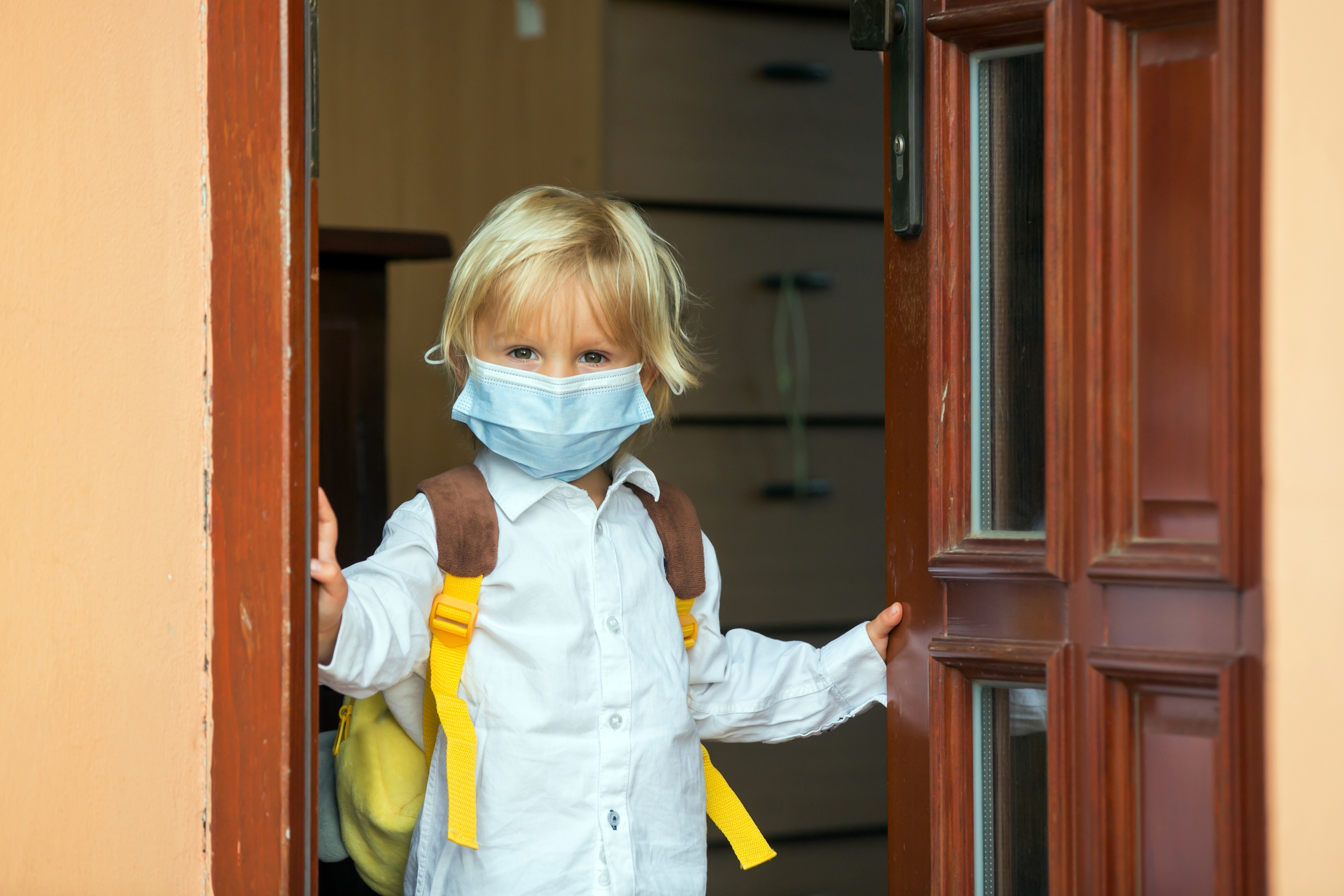
The greatest impact was seen among children who were in reception when the first lockdowns began. This is well known as a crucial stage when children normally learn to socialise, follow routines and navigate the busy world of the classroom.
But the children in the study showed less growth in their self-regulatory and cognitive flexibility scores over time, compared with children who were in preschool when the pandemic started. The research team say these children may still be feeling the effects for years.
They followed 139 children aged between two-and-a-half and six-and-a-half years old over several years. Lead researcher Prof John Spencer, from UEA’s School of Psychology, says: ‘These children found it harder to shift between tasks and control impulses – abilities that usually improve rapidly once children enter structured school environments.
‘Reception is a critical year for peer socialisation,’ added Prof Spencer. ‘It’s when children learn classroom norms and build early friendships that shape their confidence. But for the cohort who started school in 2020, classrooms were closed, routines collapsed overnight, and opportunities for social interaction were severely limited.’
Many in this cohort also caught Covid more frequently, raising the possibility that periods of illness worsened the issue.
The researchers say their work highlights a generation of children who may need more support from teachers, schools and health services in coming years. The findings also raise questions about how to protect children’s development in future national emergencies.
Visit www.uea.ac.uk.