

Screen out
Published
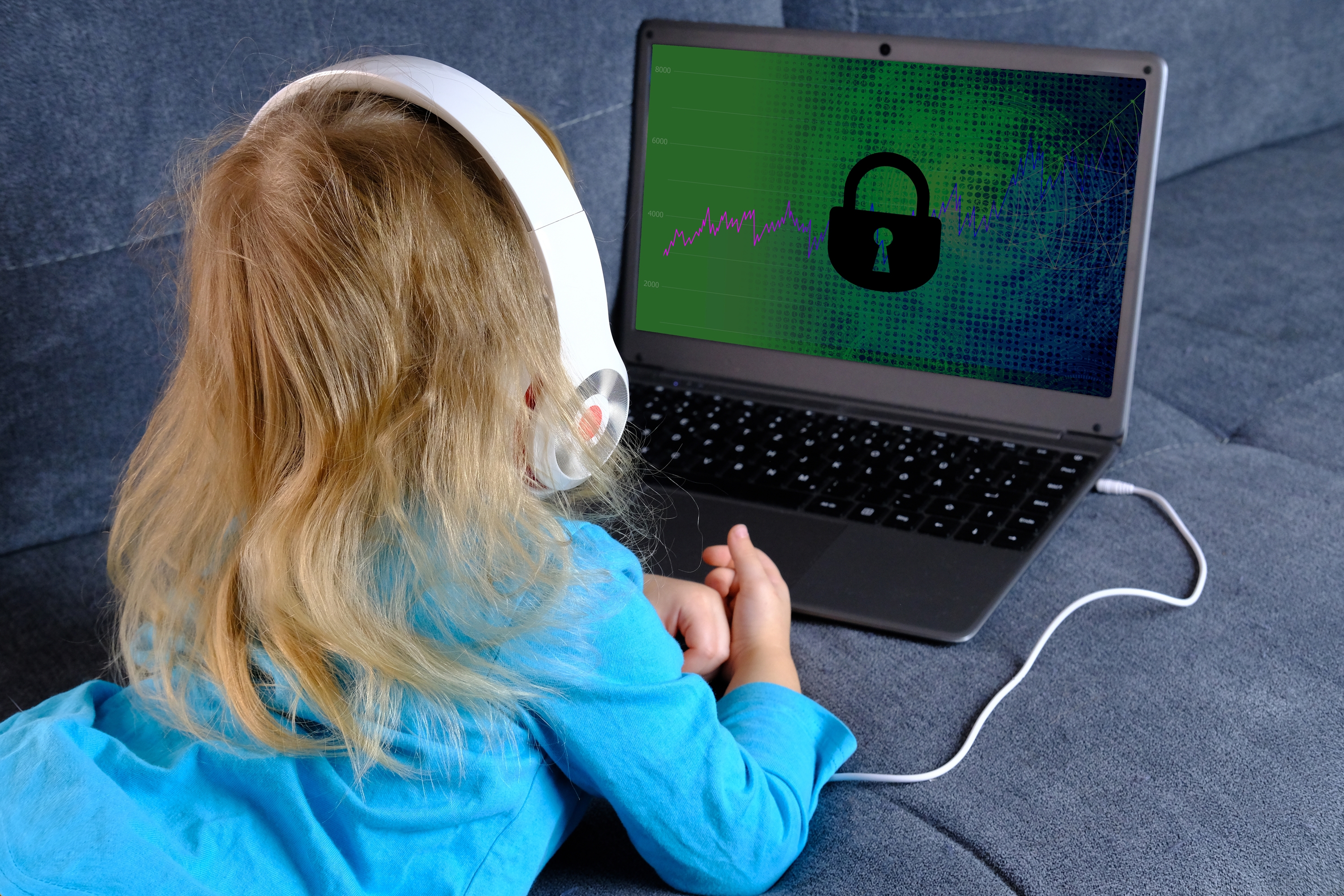
Newly-introduced government advice that under-fives should be limited to no more than one hour of screen time per day has brought the conversation back into focus for many families. Emily Burgess, director of early years at Family First Nurseries, has some expert guidance on how to get the balance right:
- Short bursts work best: Use screens in short 10–15-minute sessions, with breaks for play, movement or fresh air.
- Choose calm, age-appropriate content: Opt for programmes or apps that are simple, slow-paced and rich in language.
- Watch together whenever possible: Even brief co-viewing helps children ask questions, build vocabulary and understand emotions.
- Protect sleep and routines: Avoid screens in the hour before bedtime to help children wind down and settle more easily.
- Create screen-free zones: Keeping mealtimes, bedtimes and play spaces tech-free supports communication and calmer routines.
- Model the habits you want to see: Children copy adult behaviour. Putting your own phone aside during shared moments teaches healthy habits naturally.
Understanding when screens may need to be limited
Emily explains how parents can recognise when screen use might need adjusting: ‘If a child becomes irritable when a device is removed, loses interest in play, or shows signs of tiredness after long periods of viewing, these can be cues to reduce screen time. It doesn’t need to be a cause for worry; simply shifting to shorter sessions, calmer content and more co-viewing can quickly restore balance.’
She also highlights that some children may need extra consideration: ‘For children with speech delays, sensory sensitivities or specific health needs, screens can be both helpful and overwhelming. In these situations, short, structured sessions and co-viewing become even more important. Simple adjustments — such as choosing calmer, slower-paced content or reducing background noise and brightness — can make screen time feel much more manageable.’