

Little fidgets
Published
Parents are often quick to tell their child to sit still, but psychologists say that fidgeting isn’t always a bad thing. Children’s health experts at Stem Protect have partnered with Dr Katie Barge, chartered psychologist, to explain why fidgeting can be healthy, why it can support focus levels – and when it can mean something else.
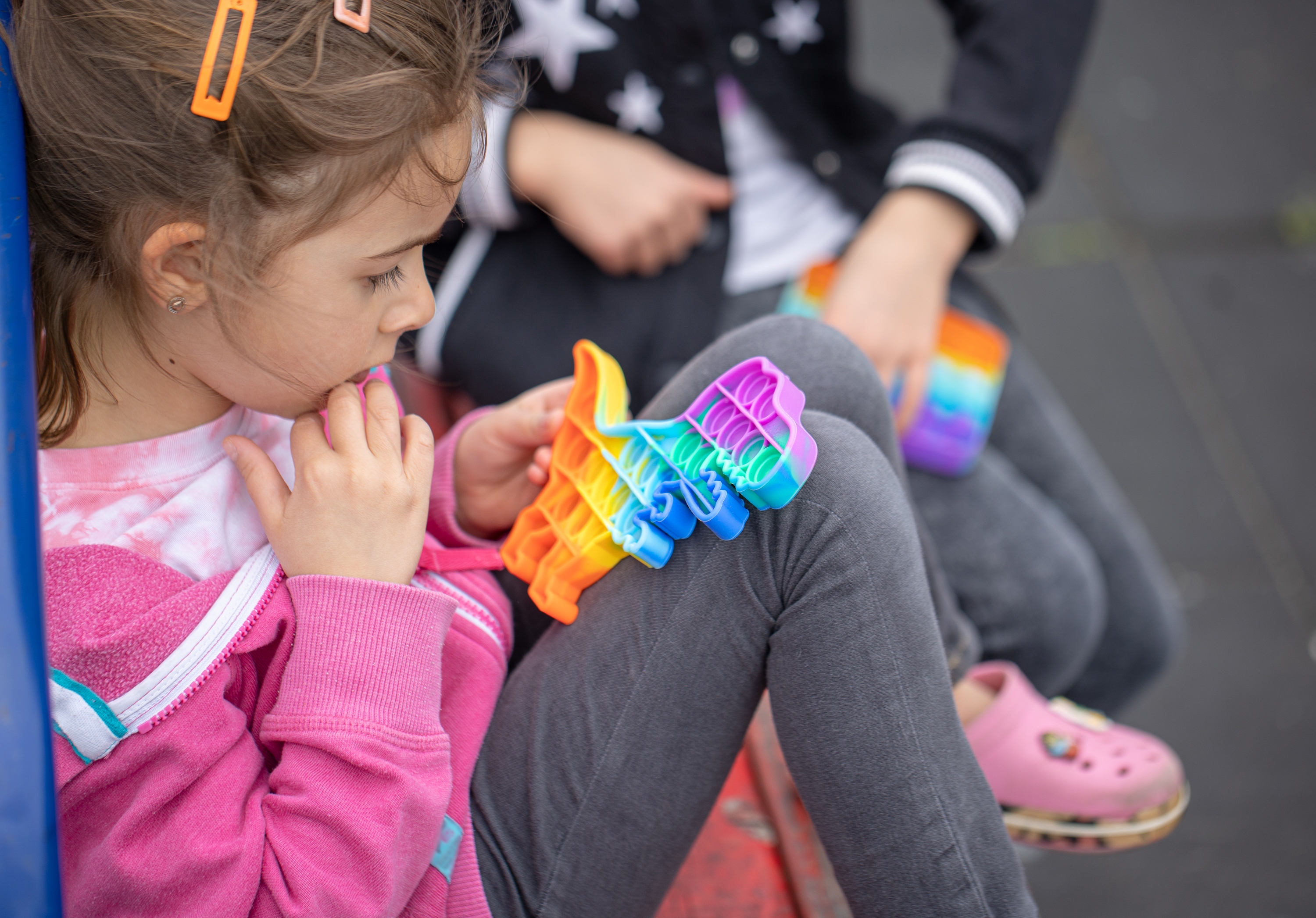
Katie says: ‘Fidgeting is our body’s way of dealing with being restless or bored. Kids who fidget a lot might not always be doing it on purpose. Even if kids do fidget, it is normal – research from Minnesota State University looked at the connection between fidgeting and academic performance and found only one pupil out of 97 didn’t fidget at all. Fidgeting might be their way of staying focused during situations where they’re not fully engaged (for example, in assembly).
Research from Frontiers in Psychology reported that motor skills and regular movement are associated with stronger cognitive processes in children, including planning and working memory. This doesn’t mean all fidgeting improves focus, but it challenges the assumption that staying still automatically equals improved attention.
If you are concerned about your child’s fidgeting
Observe whether fidgeting improves or worsens focus
Pay attention to what happens when your child fidgets. If fidgeting helps them stay engaged in conversation, it might be helping their concentration rather than worsening it.
Avoid automatically labelling fidgeting as misbehaving
Fidgeting is often a way of coping with boredom, pressure or mental effort. Labelling it as bad behaviour can escalate tension, particularly if your child is simply trying to stay focused.
Build movement into homework time
Instead of simply telling a child to sit still, try to incorporate short, planned breaks which are designated for movement. These can be as low-level as stretching, or something more cardio-intensive , such as jogging on the spot.
Try low-key alternatives
For some children, small, tactile objects or alternative seating arrangements could help make a difference. You can try giving them a fidget toy or a wobble cushion to see if their focus improves. The aim is to make movement more manageable.
Know when to seek advice
If your child’s movement is constant, highly impulsive or affecting their school, friendships or home life, it’s worth seeking advice from a GP. Occasional restlessness is common, but when it begins to impact daily life it can become difficult to deal with.
Visit www.stemprotect.co.uk