

Green green grass of home!
Published
Parents are being urged to keep children off freshly fertilised lawns for up to 48 hours, following confusion over the safety of concentrated lawn chemicals.
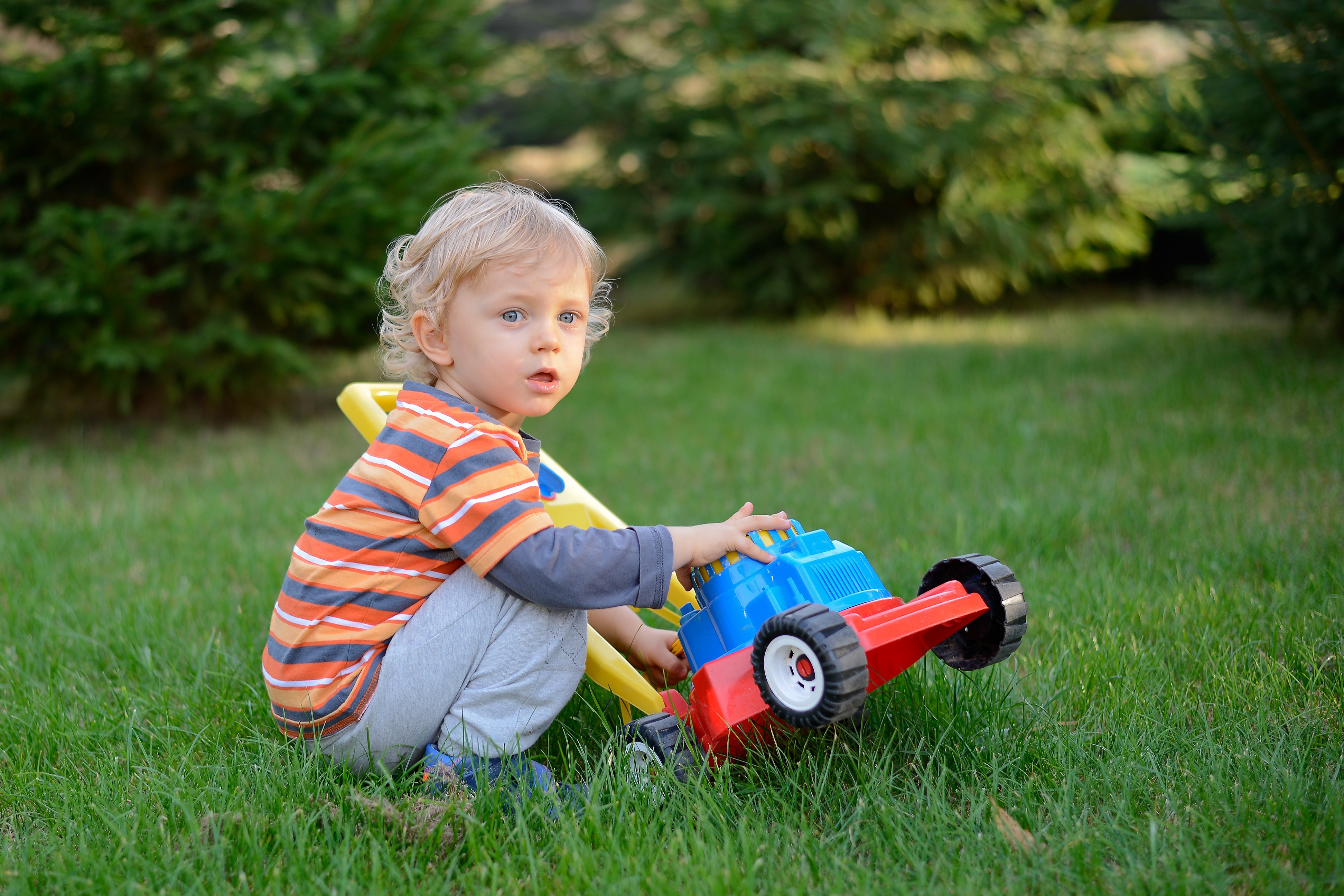
As families start to think about preparing their gardens for summer, confusion over lawn feed means many households plan to keep children indoors unnecessarily. But according to outdoor specialists, the biggest risk isn’t children playing on grass further down the line, but contact with fertiliser while it’s still sitting on the surface.
‘Parents often think fertiliser makes the whole lawn dangerous, which isn’t really the case,’ Alex Essex, specialist at Patio Black Spot Removal Company, explains. ‘The real issue is when kids run or crawl on the grass while granules are still there or the product hasn’t been watered in properly. That’s when it can get on hands, shoes or toys. Once it’s been absorbed and the lawn is dry, it’s generally safe for normal play.’
Here are Alex’s six lawn fertiliser myths catching parents out:
Fertilised lawns are unsafe for days
Most household fertilisers are absorbed quickly. After watering, and once the surface is dry (typically within 24-48 hours) lawns can usually be used as normal. But it is always good to clean small hands after making contact to avoid residue.
Simply touching treated grass is dangerous
The greater risk is contact with loose or wet fertiliser sitting on the surface, not dry grass itself. Once products have been watered in and absorbed into the soil, there is very little residue left behind. Problems are more likely to arise if children handle undissolved granules.
‘Natural’ fertilisers are safer for kids
‘Organic’ or ‘natural’ doesn’t always mean risk-free. Some products still contain concentrated nutrients or animal-based ingredients that can irritate skin or cause stomach upset if accidentally ingested.
Using more fertiliser gives better results
Applying more than recommended doesn’t improve results and can leave excess granules sitting on the surface, increasing the chance of children picking them up. It is important to strictly follow the label amounts.
Rain will wash everything away safely
Heavy rain soon after application can move fertiliser into puddles, paths or patios where children often play. In dry weather, water lightly rather than relying on rainfall.
Families should avoid fertiliser completely
Avoiding fertiliser altogether isn’t usually necessary. Modern domestic lawn feeds are designed specifically for home gardens and are considered safe when used exactly as directed. It is always best to time application around when children are indoors or at school to allow the lawn to dry before play.