

Flagging up dyslexia
Published
One in 10 people in the UK is estimated to have dyslexia according to the British Dyslexia Association – but far fewer are diagnosed. Many children go through school without knowing there’s a reason for their challenges. This means that support which could enhance their quality of life is often not sought or provided and, sometimes their potential is not fulfilled.
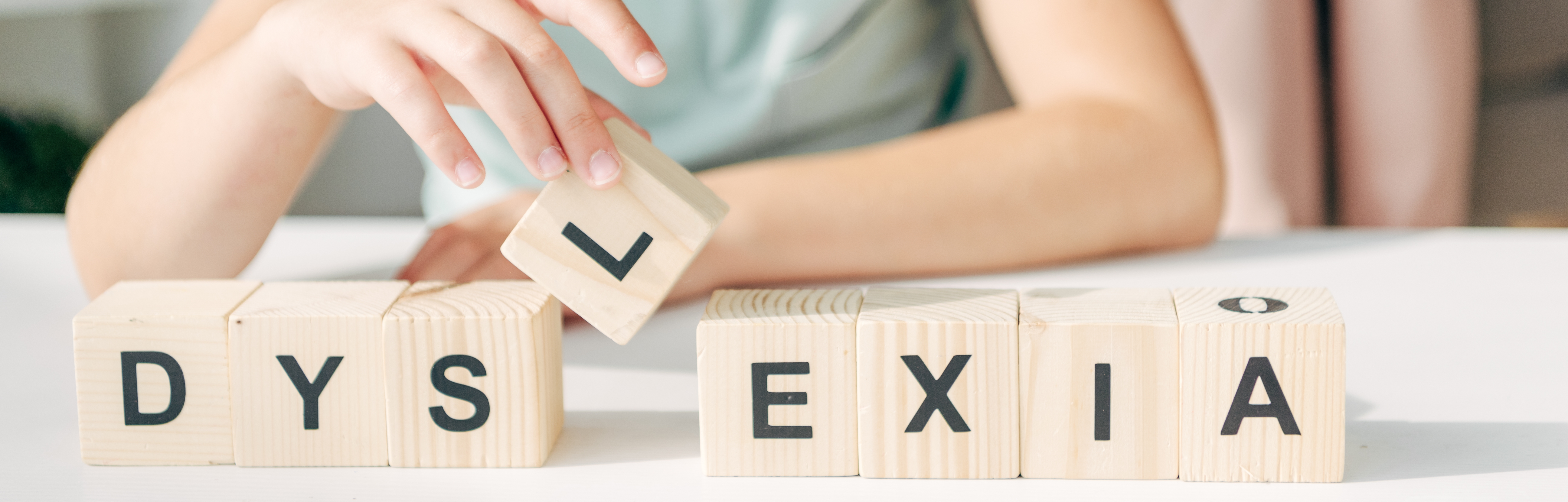
Signs of dyslexia may include:
• Difficulties with reading – reading slowly and with effort.
• Struggling to decode unfamiliar words.
• Confusing similar-looking letters.
• Spelling inaccuracy.
• Disorganised writing.
• Finding it hard to remember sequences, follow multi-step instructions, or retrieve specific words.
• Poor phonological awareness, such as difficulty identifying or manipulating sounds in words.
• Challenges with working memory, time management and organisation,
Now a dyslexia assessment service, Evolve is supporting people to understand why they or their children are struggling with literacy, with the aim of helping them to access the tools they need to spell, read and write with confidence.
Cherrida Crew, team lead for specific learning difficulties at Evolve, says: ‘Dyslexia is not linked to intelligence, and occurs across a range of abilities, but early recognition leads to swifter intervention and more positive outcomes. Importantly, there are steps that both adults and children can take so that spelling, reading, writing and processing becomes easier. This includes calling on assistive technology to help them overcome the barriers of dyslexia,’
The assessments can be carried out nationwide digitally (remotely) or at Evolve’s Exeter, Harrogate and Huddersfield clinics.
Visit www.evolvepsychology.com