

Eat up your greens!
Published
Despite dietary guidelines, around 80 per cent of British children eat less than the recommended number of vegetables, with one-third consuming less than one portion a day. At the same time, nearly half of toddlers’ daily calories now come from ultra-processed foods, rising to around 60 per cent by age seven.
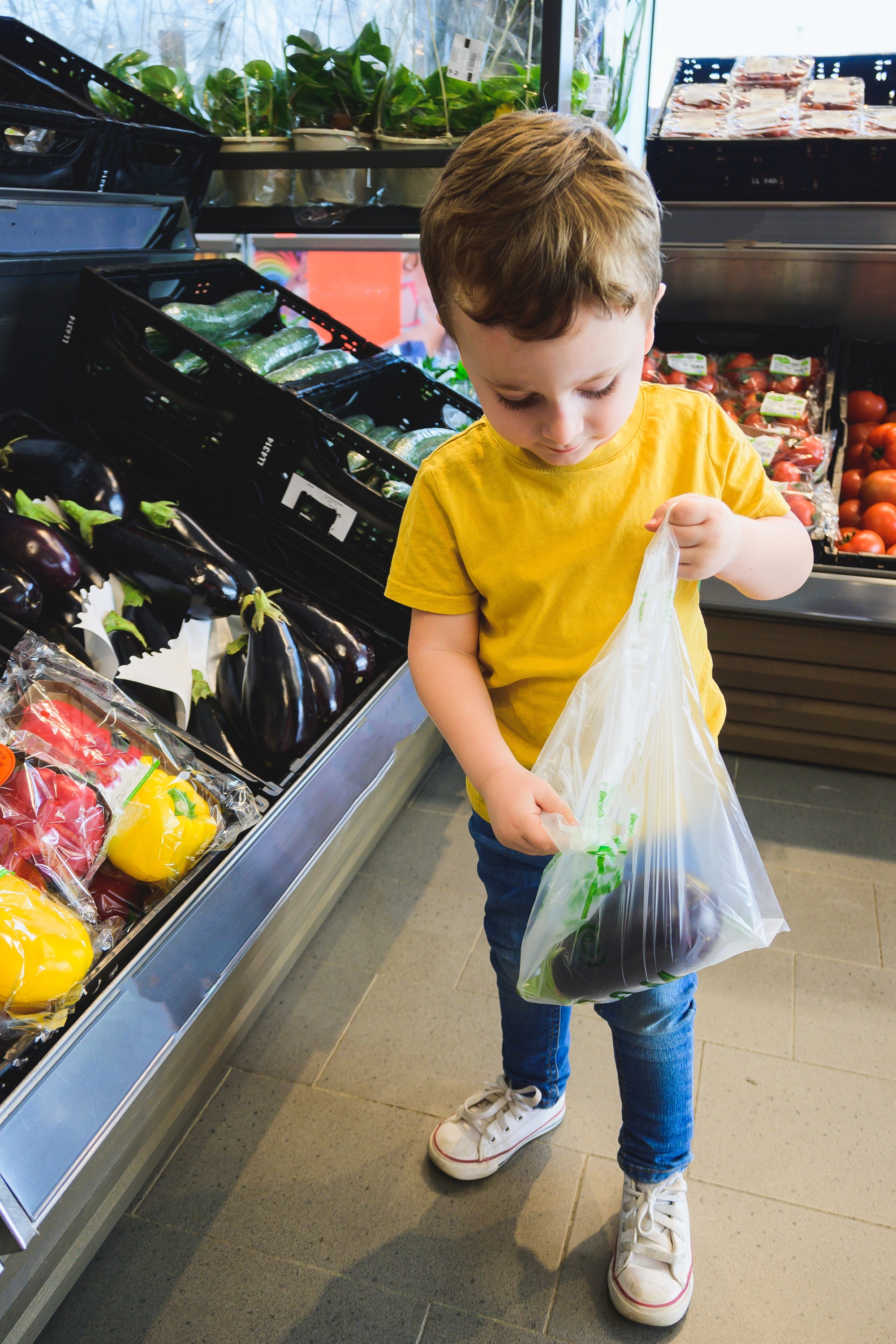
Experts warn this pattern is contributing to what is sometimes described as a ‘beige diet’, with meals dominated by chips, pasta, bread and processed foods. ‘Children’s eating habits don’t exist in isolation, ‘ says Elizabeth Knight, head of prep school at Wycliffe College. ‘What we’re seeing isn’t just fussiness, it’s a response to routine, exposure and environment.’
School dining rooms offer consistent exposure to different foods, along with the chance to see other children enjoying new tastes and flavours. Research shows that when children regularly see others enjoying a wider range of foods, their own willingness to try increases gradually over time. At home, however, many parents face increasing pressures around time, cost and convenience, even if they are keen to introduce new tastes.
Elizabeth Knight has the following advice for parents to encourage children to try new food.
Focus on exposure, not consumption
Repeatedly seeing foods on the plate, without being forced to eat them, helps children build confidence over time. Research shows it can take 10-15 exposures before a child accepts a new food.
Avoid pressure or rewards
Forcing bites or offering dessert as a reward can increase anxiety and resistance. Calm repetition is more effective.
Model curiosity yourself
Children are more likely to try foods they see adults eating. Talking positively about taste, texture or colour.
Use neutral language
Talking about colour, crunch or smell, rather than ‘healthy’ or ‘good’, helps reduce emotional weight around eating.
Avoid labelling children as ‘picky’
Framing eating habits as fixed traits can increase avoidance. Experts recommend treating reluctance as a normal developmental stage influenced by routine and environment.
Serve one familiar food alongside something new
Offering one familiar food with new options reduces stress and makes experimentation feel safer.
Use blending to build familiarity
For children who strongly resist visible fruits or vegetables, parents can introduce variety by blending or combining foods in familiar formats such as adding vegetables to mash, sauces, soups, pies or smoothies. This helps build familiarity with flavours and nutrients.
Let schools do some of the heavy lifting
When children encounter a wider range of foods regularly at school, parents may notice changes in willingness at home over time, even without direct encouragement.
Visit www.wycliffe.co.uk