
Beware of the bottle!
Published
Offering a warm water bottle to a child who is feeling under the weather or finding it hard to sleep seems like a no-brainer. But be warned: burn injuries linked to hot water bottles have doubled in five years, with 2024 seeing over 1,000 cases — the highest in more than two decades.
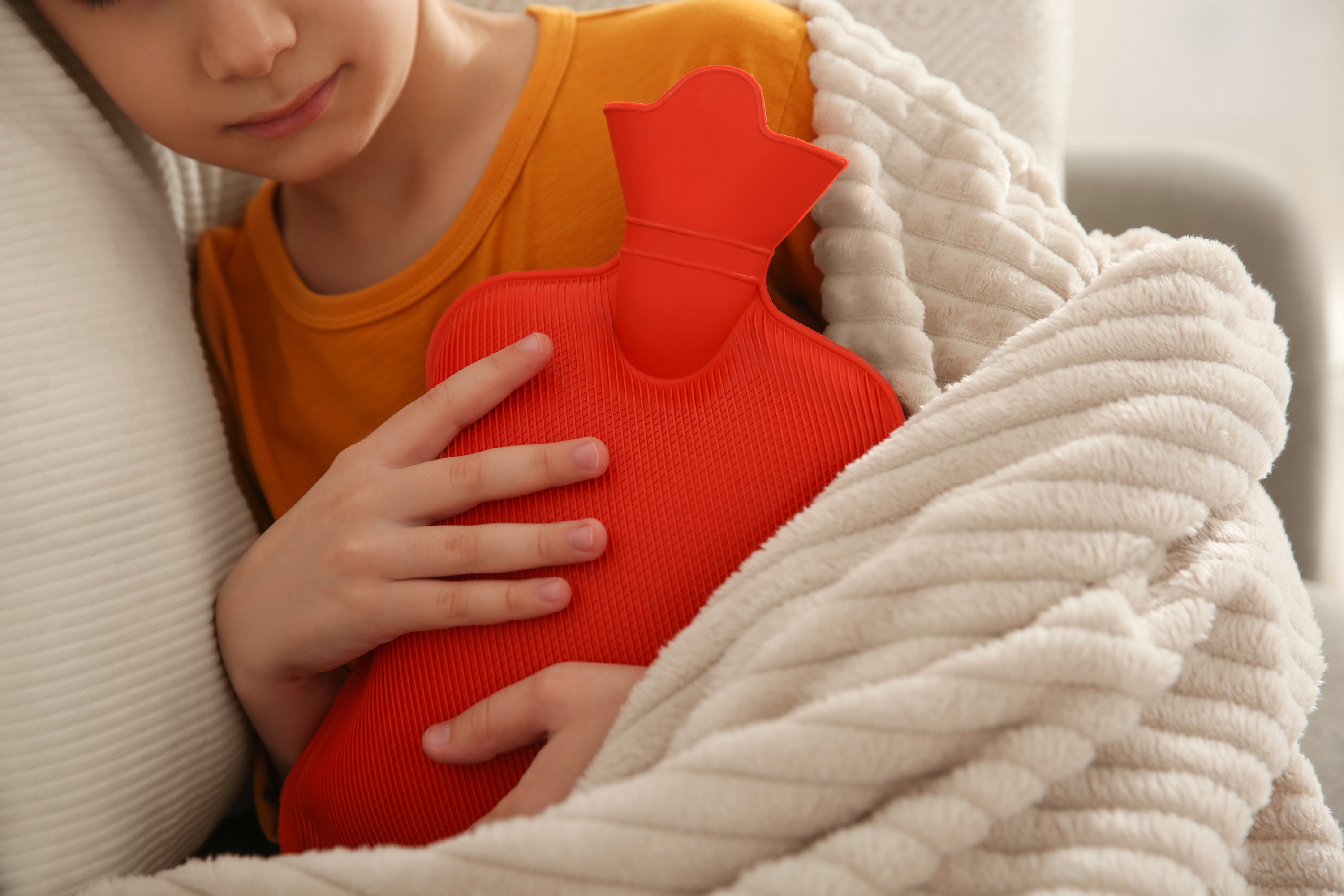
The Royal Society for the Prevention of Accidents (RoSPA) is now raising serious concerns over a sharp rise in burns linked to hot water bottles and microwaveable warmers, urging people to take safety precautions to avoid serious injuries. New figures from Children’s Burns Trust and the International Burn Injury Database (iBID) show a 100 per cent increase in injuries over the past five years. In 2024 alone 1,000 cases were recorded — the highest annual total in over 20 years.
RoSPA’s advice includes:
• Check the age and condition of hot water bottles.
• Avoid overfilling and never sit or lie on them.
• Use a fabric cover or wrap the bottle in a towel to prevent direct contact with skin.
Ken Dunn, consultant burns and plastic surgeon (retired) and vice chair of The Children’s Burns Trust, says: ‘It’s alarming to see such a sharp increase in burns caused by hot water bottles, particularly in young children. We know that these injuries can lead to long-term physical and psychological effects and we’re urging families to avoid using hot water bottles for children. If you do use them at all in the home, you should remember two key pieces of information about how to use them safely – never fill them with boiling water and always check the rubber flower symbol found on the neck which shows which month and year the hot water bottle was made. Any bottle older than two years old should be replaced.’
Visit www.rospa.com