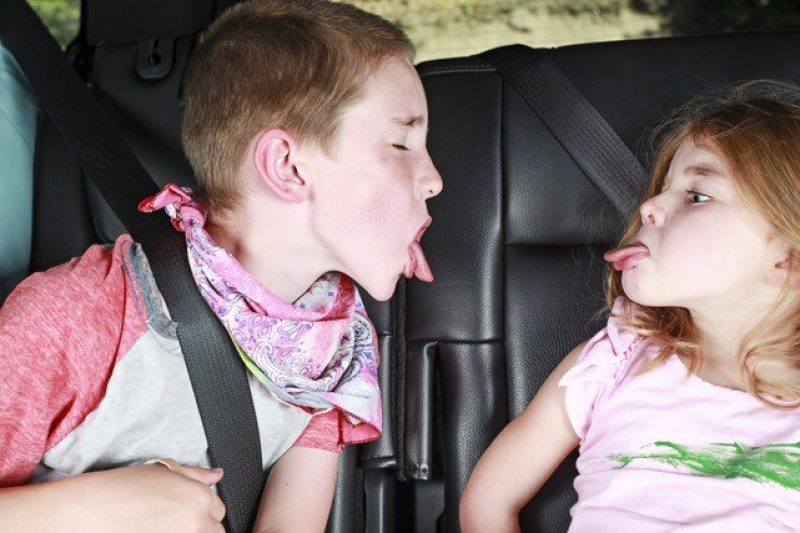
With children, especially little ones, named as the biggest distraction for UK drivers, OOONO’s Mike Skyte shares why young passengers can make driving more stressful and how parents can keep family journeys calmer and safer.
Published
For parents, getting behind the wheel with young children can sometimes feel like a balancing act. From answering endless questions and settling arguments, to dealing with dropped toys, snacks and requests from the back seat, there can be plenty competing for your attention before you even set off for your destination.
Research from OOONO found that children under 18 are the biggest reported distraction for UK drivers, with 28 per cent of respondents saying their children are the main cause of lost concentration behind the wheel. This puts children ahead of partners (22 per cent) and pets (14 per cent)!
It’s not difficult to see why. Young children can be unpredictable, and parents may feel an instinctive need to respond quickly when they want something, even when the car is moving.
OOONO’s research found that 26 per cent of drivers feel highly stressed during family trips, while 18 per cent say journeys have caused arguments in the car and 13 per cent admit they have nearly had an accident.
Young children can be unpredictable, and parents may feel an instinctive need to respond quickly when they want something, even when the car is moving.
‘As a parent, I know that getting everyone into the car and keeping them happy can sometimes feel like a job in itself,’ says Mike, who is regional marketing manager at OOONO. ‘Children are unpredictable, and when you’re driving it can be incredibly tempting to turn around, settle an argument or pick something up for them, such as a toy they’ve dropped. But however familiar that situation feels, the road still needs your full attention. If something needs dealing with, it’s always better to pull over somewhere safe.’
The pressure of getting somewhere at a specific time can also affect how parents drive. Whether you’re rushing to the school gates, trying to get to nursery before pick-up time or squeezing a journey into an already busy day, time pressure can make it easier to drive faster than you normally would.
‘Most parents aren’t deliberately taking risks with their children in the car - quite the opposite,’ says Mike. ‘But when you’re running late for nursery or school, it’s easy to find yourself speeding up and driving faster than normal. It’s worth remembering that a few minutes saved simply aren’t worth compromising your family’s safety, or anyone else’s for that matter.’
For parents of very young children, the combination of traffic, tired children, time pressure and having to concentrate on the road can make even a relatively short journey feel seriously stressful. If you’re already worried at the outset about being late and how the children might play up, it can be even harder to give driving your full attention.
‘Family life can be hectic, and getting behind the wheel doesn’t magically make that stress disappear,’ says Mike. ‘Allowing yourself a little more time can make the journey feel very different and help you make calmer, safer decisions.’
“I think most parents would recognise the temptation to try to do everything at once - answer a question, sort out a child in the back and keep an eye on the road,” says Mike. ‘But familiar school-run routes can also create a false sense of security. However well you know the road, unexpected things can still happen.”
Preparation can make a big difference, particularly when travelling with younger children. Having snacks, drinks and entertainment ready before setting off means there is less need for the driver to intervene once the journey has begun. Music, audiobooks and simple activities that children can manage themselves can also help keep boredom at bay.
If something does need your attention, don’t feel guilty or reluctant about stopping. A two-minute break is much better than trying to solve a problem while you’re driving.
It can also help to set expectations before a journey, particularly with younger children. Letting them know that, once the car is moving, the driver needs to concentrate can help them understand why you might not be able to respond to every request immediately.
Checking your route in advance can also help to remove some of the pressure and cut down on driver distraction. For drivers who want additional information without relying on their phone, the OOONO CO-DRIVER NO2 provides audio alerts for things such as speed cameras and road hazards, helping you to stay informed without needing to take your eyes off the road.
YOUR IN-A-NUTSHELL CAR SAFETY CHECKLIST
If something really needs dealing with, pull over.
Give yourself extra journey time if there are kids in the car.
However familiar the route, don’t let children distract you.
Take snacks, drinks and entertainment that kids can manage themselves if possible.
Manage expectations: make sure the children know that once the car is moving, the driver needs to concentrate.