5 essential water skills your child should know in August
For many families, summer means more time around water, from swimming pools and splash parks to seaside holidays and days out by lakes or rivers. But while swimming can be fun and freeing for children, water confidence is a skill that needs to be built over time. Dean Zweck, head of product at Total Fitness, shares five practical ways parents can help children build water confidence.
Published
According to Swim England, 1 in 4 children in school Years 1 to 11 can’t swim 25m unaided, a 4.7 per cent increase since 2017/18. This highlights the importance of helping children build water confidence and basic safety skills from an early age.
Dean Zweck says: ‘Water safety doesn’t have to feel scary for children. The aim is to help them enjoy swimming while understanding how to stay safe. When children feel calm and confident in the water, they’re much better at listening, learning and making safe choices.’ Here are Dan’s top five tips.
Build confidence before focusing on technique
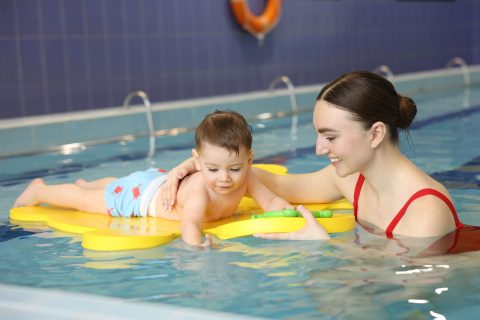
When a child starts swimming lessons, it can be easy to think progress means swimming further or moving up stages quickly. But for many children, the biggest milestone is simply feeling comfortable in the water.
That might mean putting their face underwater, jumping in safely, moving without holding the side – or floating on their back, which is a key life-saving skill that can prevent drowning.
Every child progresses at their own pace. For some, confidence comes quickly, but for others it takes time, reassurance and repetition. What matters is helping them feel safe enough to keep trying.
Water safety messages work best when they are repeated little and often.
Teach children what real-life water can feel like
Swimming in a warm pool, wearing a swimsuit and goggles, feels very
different from unexpectedly falling into cold water fully clothed, where
children may also face currents, waves or uneven ground.
Clothes can feel heavy, slow movement down and make it harder to stay calm. That’s why, during Water Safety Weeks,
which run four times a year, Total Fitness encourages children to bring
their pyjamas and experience swimming in clothes in a safe, supportive
environment.
Swimming in clothes helps children experience water safety in a
practical way. It teaches them that if they ever find themselves in
water unexpectedly, the first thing to do is stay calm, float if they
can and call for help.
Keep safety advice short and simple
Short, clear reminders are often the most effective way to teach
children, especially before a pool day, beach trip or holiday. Parents
can remind children to always stay with an adult, never swim alone, stop
and think before getting into water, and ask before jumping in.
Water safety messages work best when they are repeated little and
often. Before a day out, take a few moments to remind children where
they can swim, who they should stay near and what to do if they feel
unsure.
Look for lessons that are supportive
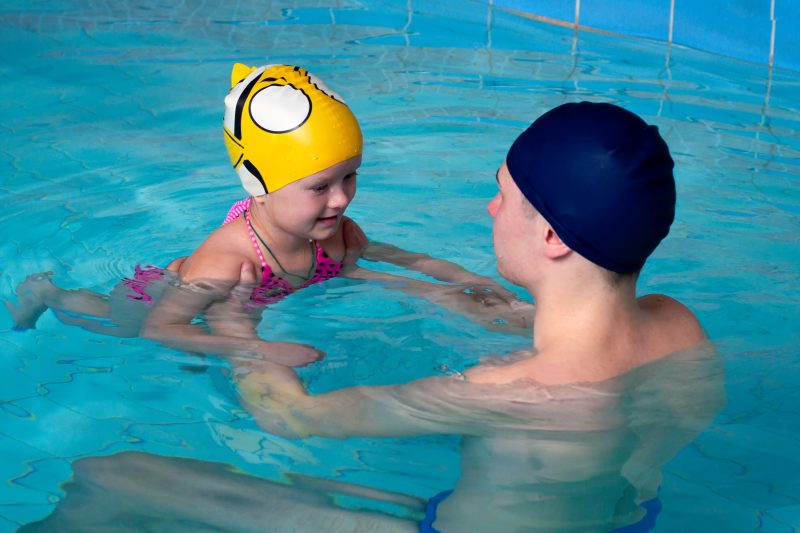
A good swimming lesson should help children feel encouraged and proud of their progress. Swim Academy at Total Fitness aims to offer parents and children supportive teachers, clear milestones and regular feedback.
Parents should feel part of the journey too. When they know what
their child is working on, they can celebrate the small wins and help
build confidence outside of lessons.
Make water confidence part of summer prep
Packing sun cream, sandals and swimming costumes might already be
part of the summer checklist, but water confidence deserves a place
there too. Whether your child is nervous around water or already loves
swimming, regular lessons can help them build the skills they need to
enjoy it safely.
The goal is for children to enjoy the water, but to do that safely.
Confidence, awareness and safety skills are built over time, which is
where structured lessons are so valuable, building childrens’ feelings
of calm, confidence and capability in and around water over time .
Swim Academy by Total Fitness
provides structured swimming lessons for children aged 0-11, from Baby
Swim through to Learn to Swim, delivered by dedicated teachers to build
confidence in the water and support each child’s progression while
fostering a lifelong love of water.