

The sun and the scalp!
Published
With forecasters predicting spells of 27-29°C throughout the summer and the potential for even higher temperatures, a leading dermatologist is warning that millions of parents are neglecting one crucial area when applying sunscreen on children: their scalp.
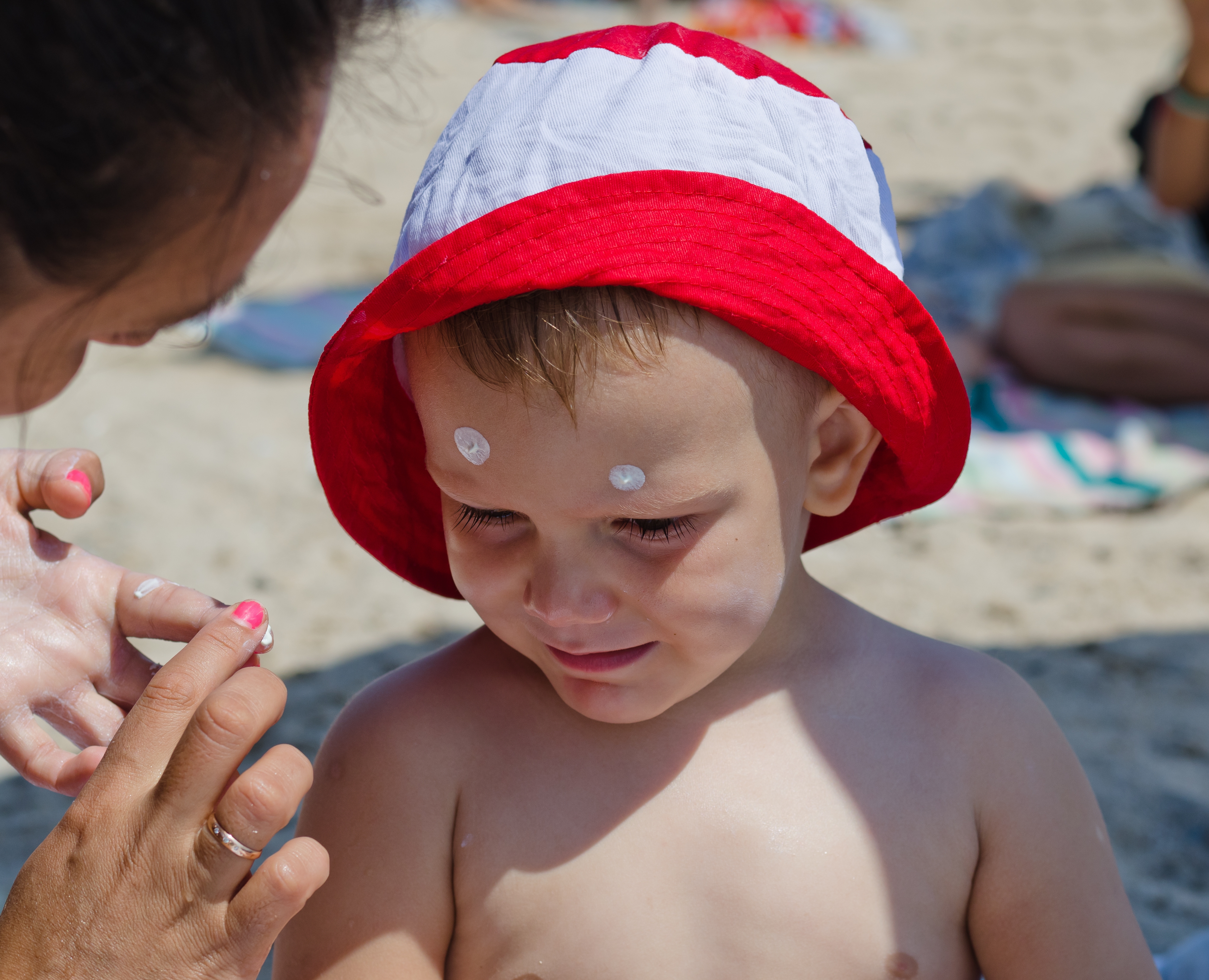
While most parents remember to protect the face, shoulders and arms from harmful UV rays, experts say the scalp remains one of the most overlooked areas of the body despite being highly vulnerable to sun damage. According to Dr Conal Perrett, consultant dermatologist at The Devonshire Clinic, one of the most common signs of scalp sunburn is flaking and peeling skin several days after sun exposure, something many people mistakenly assume is dandruff.
‘People are often unaware they've burned their scalp until it starts to peel,’ says Dr Perrett. ‘At ‘At that stage, many assume they're experiencing dandruff or a dry scalp when in reality the skin is shedding as part of the healing process following UV damage. Unlike sunburn on the shoulders or arms, scalp sunburn can be difficult to identify because it's hidden beneath the hair. Symptoms can include tenderness when brushing or washing hair, itching, redness along the hairline, warmth, sensitivity and flaking skin. In more severe cases, blistering, swelling and headaches can occur.’
What to do if your child has burned their scalp:
1. Cool the scalp as soon as possible. A cool shower or cold, damp flannel can help reduce heat and inflammation. Avoid placing ice directly on the skin, which can further damage already sensitive tissue.
2. Switch to gentler haircare products. Many shampoos contain ingredients that can sting or aggravate sunburned skin. While the scalp heals, opt for fragrance-free, sulphate-free products where possible
3. Avoid heat styling tools. Allow your child's hair to air dry where possible until symptoms improve.
4. Don't scratch or pick at peeling skin. Peeling and flaking are a normal part of the healing process. Picking at the skin can delay recovery, increase irritation and raise the risk of infection.
5. Stay hydrated and moisturise. Sunburn draws fluid to the skin's surface, which can contribute to dehydration. Drinking plenty of water and applying a soothing aloe vera gel or fragrance-free after-sun product may help ease discomfort.
6. Protect your scalp while it heals. A recently burned scalp is especially vulnerable to further UV damage. Make sure children wear a hat and avoid prolonged sun exposure until the skin has fully recovered.
7. Know when to seek medical advice. Most mild scalp sunburns improve within three to five days, but medical attention may be needed if little ones experience blistering, significant swelling, severe pain, fever, chills, dizziness, nausea or signs of infection.