
Little helpers
Published
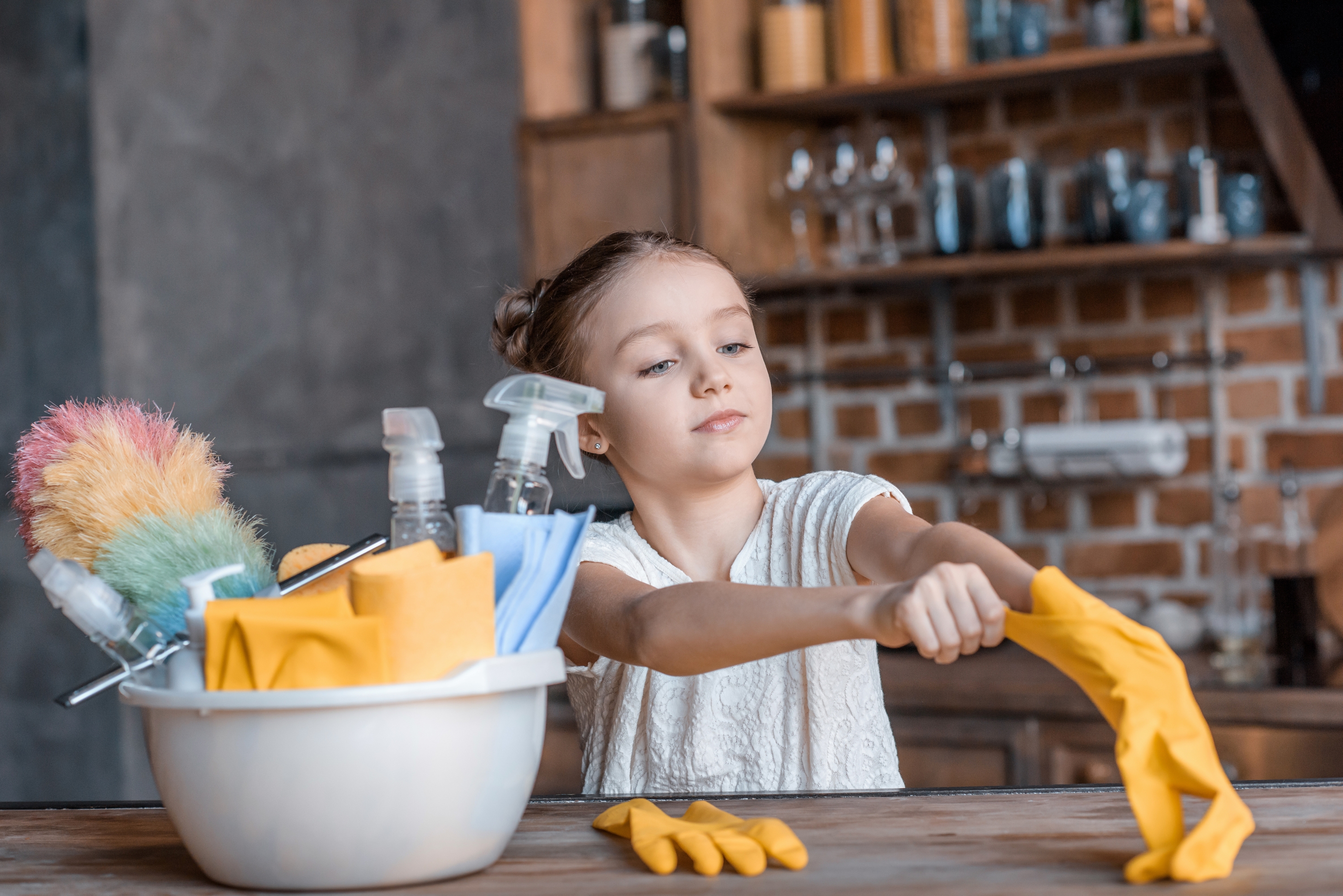
British children are taking on household responsibilities at an early age, with 1 in 10 children taking on key chores around the home by age six, according to new research commissioned by Beko UK. Loading and unloading the dishwasher was found to be one of the most common household tasks for children of this age.
Salah Sun, head of product management at Beko UK, says: ‘When children understand how to properly load a dishwasher or sort laundry correctly, they're not just helping, but building skills they'll use throughout their adult lives.’
Tidying the bedroom came high on the list of chores that children take on, with two-thirds of parents saying their child does this regularly. Other common chores include: caring for pets, vacuuming or sweeping, setting the table, washing the dishes by hand and food preparation and cooking. Around a third of parents incentivise chores with regular pocket money, but one-in-five give no material reward.
Dr. Patricia Barber, a counselling psychologist, explains how chores can be useful tools for children’s development. ‘They are a practical way to teach children independence and responsibility because they mirror real-life expectations. And when children help with household tasks, they learn that everyone contributes to the running of a home, which is an important life skill.
‘By completing chores, children develop problem-solving skills, time management and a sense of accountability, all of which foster independence,’ adds Dr Barber.
‘The most important thing is to try make them age-appropriate and achievable. From a young age, children can start learning basic habits that build responsibility, such as putting their toys away or placing their shoes by the door.
‘Early exposure to chores helps children understand that helping out is part of everyday life. It fosters independence and reduces resistance. The earlier you begin modelling and encouraging these skills, the more natural they become for your child.
‘Chores shouldn't really be seen as a punishment and thinking of them as such can mean parents feel guilty. If everyone does their share, it is modelling what it means to be part of a family or community,’ she says.
Visit www.beko.co.uk