

Hidden signs of bullying
Published
With a growing number of young children experiencing bullying, Explore Learning has some useful advice on spotting and addressing bullying behaviour early.
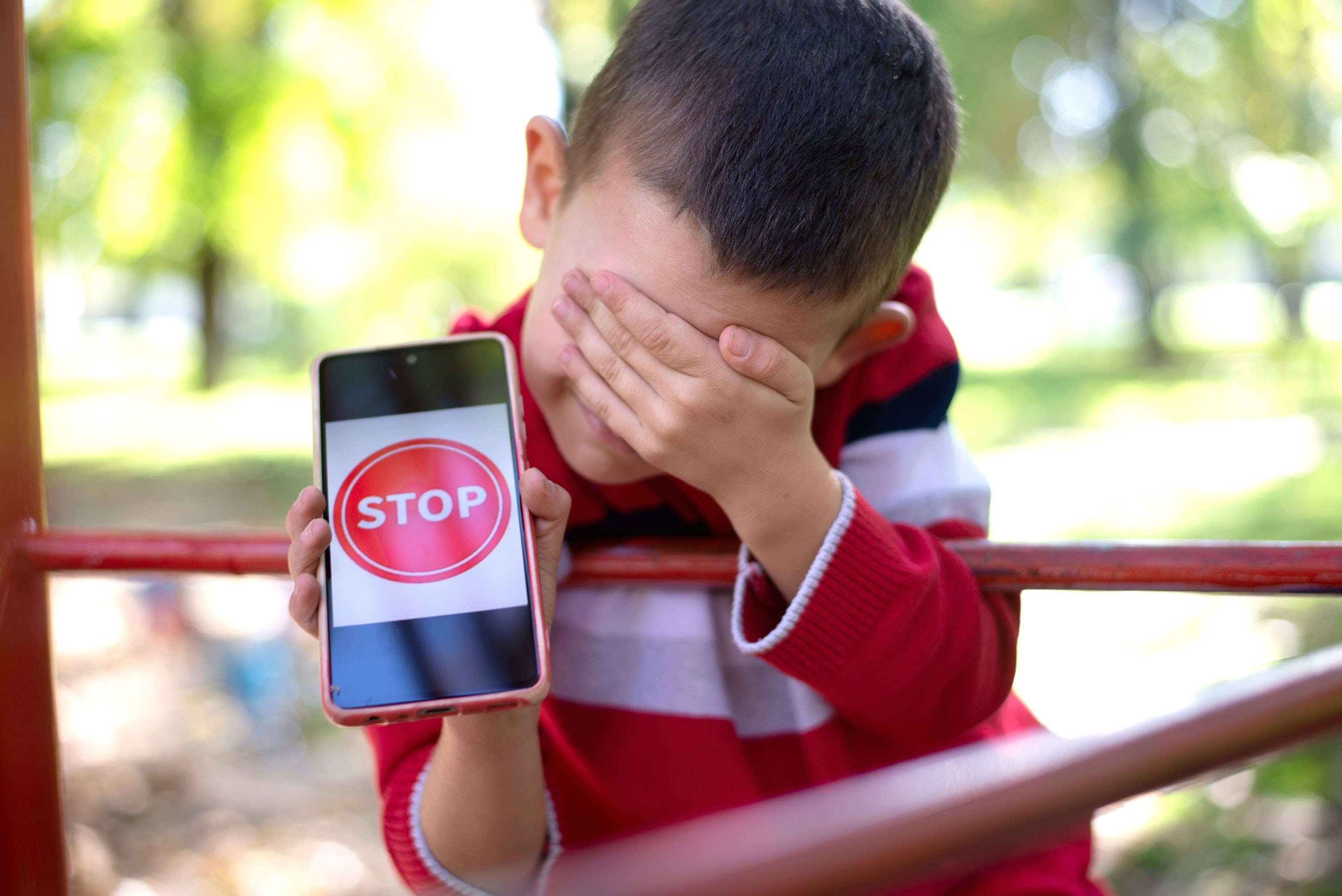
‘Bullying affects education and overall wellbeing,’ says Charlotte Gater, head of education at Explore Learning. ‘We all have a responsibility to work towards creating safer, more compassionate environments for our children.’
Key early warning signs that may indicate a child is experiencing bullying, include:
• Unexplained physical symptoms like headaches or stomach aches.
• A sudden reluctance to attend school.
• A change in eating or sleeping habits, as well as unexplained damage to belongings.
For children who may be bullying others, parents might notice:
• Increasingly aggressive behaviour or language.
• Acquisition of new belongings.
• A refusal to accept responsibility for their actions.
• Academic performance may also be affected, along with disruptive behaviour in class.
Charlotte Gater offers key strategies for parents dealing with bullying situations:
Create a safe space for communication
Many children hesitate to tell adults about bullying, fearing it might make the situation worse or viewing it as 'telling tales.' Encourage open dialogue without judgement and make it clear that speaking up is a sign of strength, not weakness. Regular check-ins, even about small daily events, can help build trust and make it easier for your child to share their experiences when something is wrong.
Foster resilience and self-confidence
Help your child develop strong self-esteem by encouraging their interests and strengths. Support them in pursuing hobbies they enjoy, as these can provide a sense of accomplishment outside of school. Model positive self-talk at home, demonstrating how to speak kindly and build a resilient mindset.
Address bullying behaviour in your child
If you're concerned your child might be bullying others, have an open, non-judgmental conversation to understand the root cause. Work with them to develop empathy through interactive activities like role-playing exercises that help them understand how others feel when treated unkindly. Reading and discussing stories about kindness and inclusion can also help develop emotional awareness. Set clear expectations for behaviour and consequences for bullying, and seek professional help if the behaviour persists.