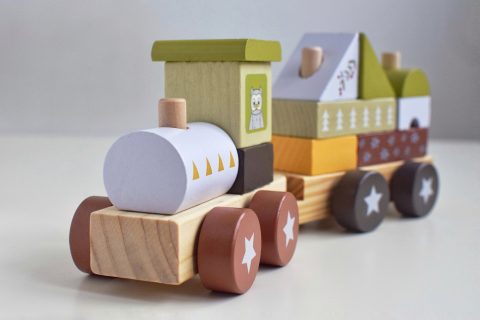
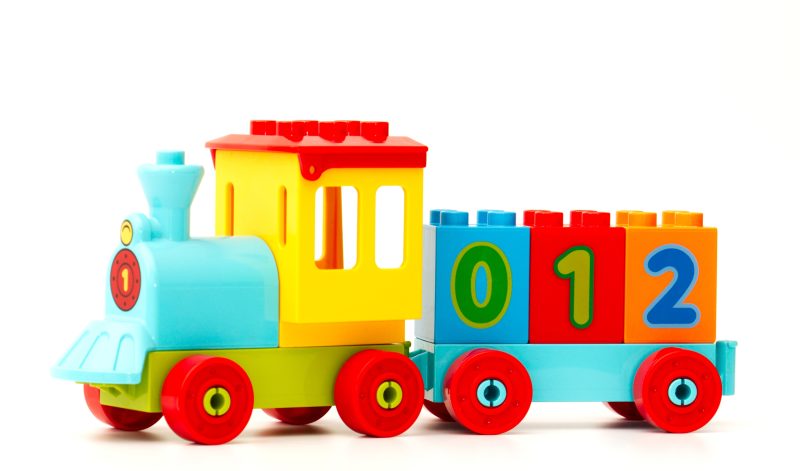
With Christmas shopping in full swing, the great wood v plastic debate is back on the table. While wooden toys are winning over shoppers with their nostalgic charm and eco-friendly appeal, practicality, hygiene and value-for-money remain a key attraction of plastic toys.
Published
Plastic still dominates the global toy market, accounting for around 63 per cent of total revenue in 2025. But the tide is shifting. Here in the UK, interest in plastic toys has fallen sharply, dropping by 55 per cent since April 2025. Meanwhile, searches for wooden toys have surged by 188 per cent. Social media trends and events, such as Aldi’s annual Wooden Toy Event 2025, have helped to reignite interest in traditional wooden playsets.
‘Wooden toys are typically a safer choice, free from chemicals like BPA and phthalates, some of the 16,000 chemicals commonly found in plastic,’ says Magdalena Hajduk, manager of Play Mats Direct. ‘They're built to last, often becoming cherished family keepsakes. With simple designs that encourage creativity, they help kids develop coordination and imagination. Plus, wood is biodegradable, making these toys an eco-friendly option. While they can be pricier and require more maintenance, their durability makes them a long-term investment.
Mix and match: A combination of wooden and plastic toys often works best, wooden for durability and sustainability, plastic for versatility and interactive play.
‘Plastic toys, on the flip side, are lightweight, versatile and come
in every shape and colour, sparking creativity in kids. Many offer
interactive features like lights and sounds that engage children while
improving motor skills. They're also water-resistant and easy to clean,
perfect for outdoor or bath-time play. However, cheaper plastic toys can
crack, and low-cost versions may contain harmful chemicals, though
trusted brands ensure safety. Plus, plastic doesn’t biodegrade and can
contribute to environmental waste.’
‘Choosing the right toys for your children doesn’t have to be a
compromise,’ adds Magdalena. ‘Many families find that a mix of both
works best. At Play Mats Direct, our high-quality play mats and
toy-friendly surfaces ensure that whichever toys you choose, children
can play safely and comfortably.’
Here are Madgdalena’s top tips for choosing and caring for toys:
• Mix and match: A combination of wooden and plastic toys often works
best, wooden for durability and sustainability, plastic for versatility
and interactive play.
• Check safety labels: Look for non-toxic paints, BPA-free plastics and age-appropriate warnings to keep playtime safe.
• Care for wooden toys: Wipe with a damp cloth, avoid soaking and
occasionally apply a child-safe oil to keep wood in good condition.
• Clean plastic toys regularly: Use warm, soapy water or disinfectant
wipes to remove dirt and germs, especially for outdoor or bath-time
toys.
• Invest in longevity: Choose high-quality toys that grow with your
child. Durable wooden sets or versatile plastic toys can reduce waste
and save money over time.
• Prioritise play value over quantity: Opt for toys that encourage
creativity and problem-solving rather than just novelty features.
THE 20 TOY RULE
Whether you favour wooden or plastic, or a mix of both when buying
toys for your child, a very useful rule of thumb is the 20 Toy Rule.
This is a parenting guideline that limits a child's available toys to
a maximum of 20 at any given time to encourage focus, creativity and
imaginative play. When a new toy is acquired, an old one is typically
donated or passed on. This approach prioritizes quality over quantity,
with the belief that fewer, more engaging toys lead to deeper play.
How it works
• Limit the number: the idea is to keep the number of toys a child can access at one time to around 20.
• Prioritise quality over quantity: the theory is that fewer, better-quality toys will encourage creativity and skill-building.
• Rotate toys: parents can use toy rotation to keep the selection fresh without a constant surplus of toys.
• One in, one out: when a new toy is brought into the house, an existing toy is removed to keep the total number consistent.
• Encourage imagination: limiting the number of toys can help
children focus on a few items for longer periods, fostering more
imaginative and less scattered play.
Benefits of the rule
• Improved focus: with fewer options, children are less likely to be
distracted and can concentrate on one toy or activity for a longer time.
• Increased creativity: fewer choices can encourage more imaginative
and creative play as children find new ways to use the toys they have.
• Less clutter: a smaller number of toys can lead to a tidier and more organised playroom.
• Deeper engagement: limiting the number of toys can result in children appreciating what they have more enthusiastically.