‘Having a pet can be an enriching experience for children,’ says Emily. ‘Caring for an animal helps them practise empathy, responsibility and gentle behaviour – and pets can offer real comfort and companionship as children grow. From an early years perspective, pets also support children’s social and emotional development.
‘The only challenge comes when a pet arrives before a child fully understands how to interact safely and respectfully. With a little forward planning, families can create a positive experience for both the child and the animal. Pets teach life skills, but only if children are prepared.’
Emily shares key lessons children should learn before getting a pet:
Approaching animals calmly and respectfully
Children often need guidance on how to approach animals in a way that
feels safe — and predictable. Practising slow steps, gentle voices and
giving the animal time to sniff or investigate helps build trust.
Younger children may naturally move quickly or use more strength than
they realise, so supervision is key.
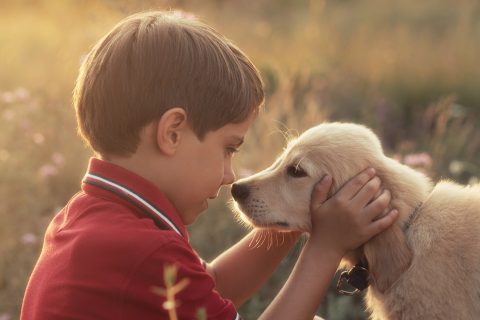
Understanding gentle touch
Young children may think they’re being gentle even when they’re not.
Before a pet comes home, practise stroking a soft toy, using an open
hand, or learning two-finger tickles. These small rehearsal moments
teach the difference between soft touch and gripping or squeezing,
keeping animals safe and happy.
Recognising animal body language
Children need to understand that animals communicate with their
bodies, not with words. Simple cues, like a dog backing away, a cat’s
tail swishing, or a small pet hiding in a corner, teach children that
animals can feel worried or overwhelmed. Learning these signs early
reduces stress for everyone and helps prevent unsafe interactions.
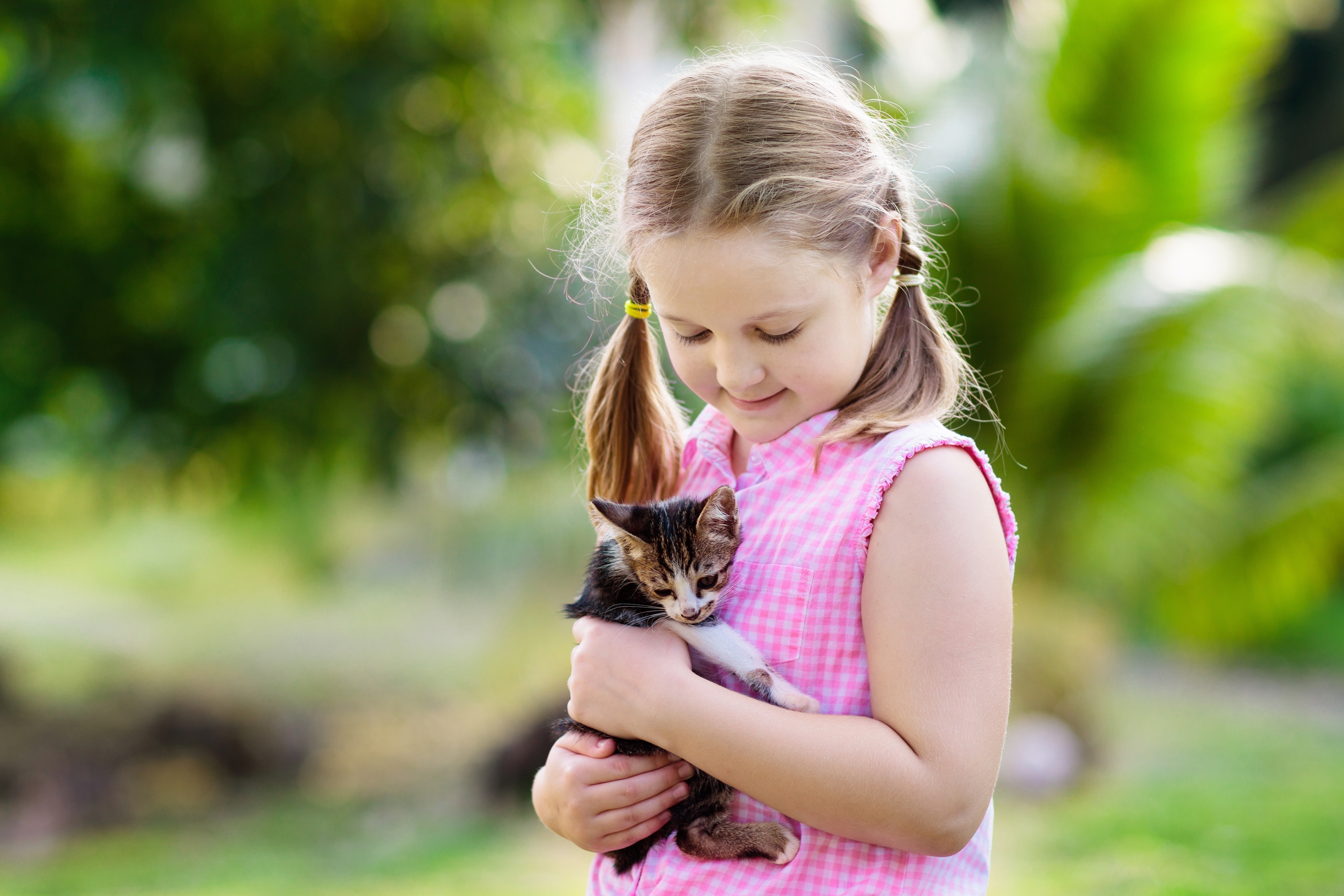
Safe handling, boundaries, and giving space
Pets have times when they want to play, and times when they want
space. Children can learn to follow simple rules: don’t disturb pets
while they sleep or eat, avoid picking them up without an adult, and
always let the animal choose to come closer. These boundaries help
children feel successful and help pets feel secure. Learning to pause
and wait also strengthens children’s self-regulation skills.
Taking part in everyday care routines
Even small, supervised jobs such as refilling a water dish, brushing a
coat, helping scoop food or setting up a cosy bed can help children
feel capable and involved. Practising these routines with pretend play
or with a neighbour’s friendly pet can ease the transition. Consistency
grows with age — younger children often need reminders and
encouragement.
Learning basic handling skills
Older children can benefit from practising practical tasks, such as
helping to clip on a harness, holding a lead safely, or supporting a
small animal with two gentle hands. These skills reduce the risk of
accidents and make the early days with a new pet calmer for everyone.
Understanding that pets have feelings and needs
Children who learn that pets feel scared, excited, bored, or lonely
become far more empathetic caregivers. Conversations like, ‘The puppy is
hiding because he’s feeling shy’ or ‘The rabbit is twitching his little
nose because he’s curious’ help children form emotional connections and
respond with kindness.
Caring for a pet is a shared family responsibility
It’s important for children to understand that while they can help
with daily tasks, adults are ultimately responsible for keeping the pet
safe, healthy and well. This helps avoid unrealistic expectations and
ensures the animal’s welfare always comes first!
Visit familyfirstnurseries.co.uk