Do you have an overwhelming dread of creepy crawlies? A fear of flying? Or an abiding aversion to heights? You’re not alone. It’s quite common to have irrational fears and some of us get though life simply by avoiding them. But if your anxieties are getting the better of you – and impacting on your family too – help is at hand. Harley Street phobia expert Christopher Paul Jones has some very useful advice.
Published
Phobias are intense, irrational fears of specific objects, situations or activities. They can deeply impact individuals' lives, constraining their actions and choices. If you have a phobia, don’t worry: you’re not broken, you’re not alone and you’re not stuck. Let’s explore some common phobias and what you can do about them.
Arachnophobia
Fear of spiders
Despite spiders being mostly harmless, their appearance triggers a primal fear in many people, with arachnophobia affecting around 3.5 - 6.1 per cent of the global population. Interestingly, the prevalence of arachnophobia does not significantly increase in regions with dangerous spiders, such as Australia. This suggests that cultural factors, such as media portrayal and social attitudes towards spiders, may play a larger role in provoking this fear than actual risk.
For those with arachnophobia, encountering a spider can provoke fear out of proportion to any actual threat, disrupting daily activities, such as cleaning the house.
Studies suggest arachnophobia might have evolutionary roots, as early humans had legitimate reasons to be cautious of spiders. Myths and misinformation about spiders can exacerbate this fear, leading to misconceptions and exaggerated risk perception.
Our ancestors avoided high places to prevent accidents, suggesting that this phobia could be rooted in our evolutionary survival instincts.
Acrophobia
Fear of heights
This common phobia affects up to 5 per cent of the population, making acrophobia one of the most common phobias worldwide.
The intense fear can have various triggers, including traumatic
experiences involving heights, such as falls or witnessing others fall,
and genetic predispositions to anxiety disorder. Our ancestors avoided
high places to prevent accidents, suggesting that this phobia could be
rooted in our evolutionary survival instincts.
A fear of heights is not just a fear of falling: it can also be
linked to the body's natural response to balance and spatial
orientation. The vestibular system in the inner ear plays a crucial role
in this fear, as disruptions can cause dizziness and a sense of
instability at heights.
People with a fear of heights often go to great lengths to avoid high
places. This avoidance can severely limit life experiences and
opportunities. Common symptoms include dizziness, sweating, increased
heart rate and panic attacks when confronted with heights or even
thinking about heights. These symptoms can interfere with daily life.
Agoraphobia and claustrophobia
Fear of open spaces and closed spaces
Fear of open and closed spaces are common phobias, affecting millions
of people globally. It’s estimated that 12 per cent of the world’s
population suffer from claustrophobia and 1.7 per cent from agoraphobia.
Agoraphobia is not just a fear of open spaces but a fear of being in
situations where escape might be difficult , or where help wouldn’t be
available if needed.
Traumatic experiences, such as being trapped in a confined space (for
claustrophobia) or having a panic attack in a public place (for
agoraphobia), and emotional triggers like witnessing frequent parental
conflicts or experiencing high levels of stress can contribute to these
phobias. Observing parents or close relatives who exhibit similar fears
can also play a role.
Claustrophobia can prevent individuals from using elevators,
traveling by subway or being in crowded places, significantly limiting
their mobility and social interactions. Agoraphobia can lead to the
avoidance of any situation where escape is perceived as difficult,
making people homebound and avoiding social, professional and
recreational activities.
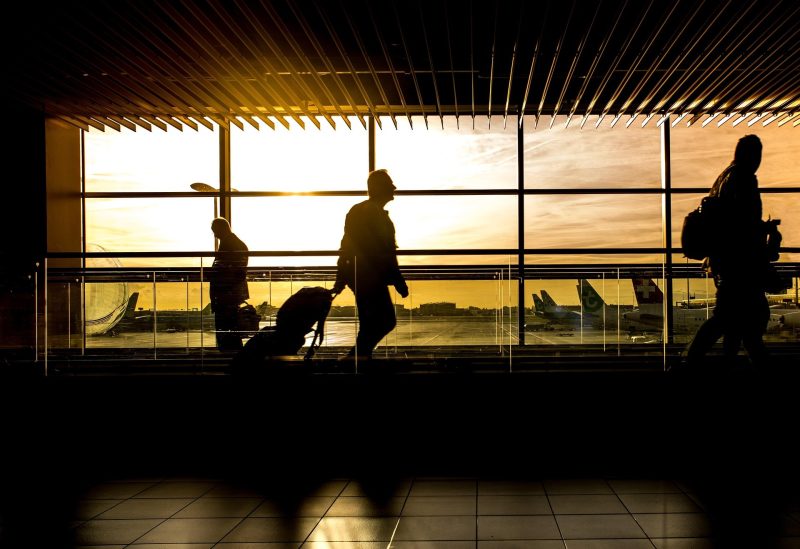
Aviophobia
Fear of flying
It’s estimated that around 1 in 4 people experience some level of
anxiety related to flying. Aviophobia is often a composite of several
other fears, including claustrophobia, acrophobia and agoraphobia. Fear
of turbulence, lack of control (the inability to control the aircraft)
and anticipatory anxiety (which often begins long before the experience
itself, with individuals becoming anxious just thinking about an
upcoming flight) can contribute to feelings of helplessness. The media
can exacerbate these fears: if we see plane crashes in movies and on the
news, we might irrationally conclude that flying is extraordinarily
dangerous, despite statistics showing air travel is one of the safest
modes of transportation.
People affected by this phobia often avoid air travel altogether,
limiting their personal and professional lives. They might miss out on
family holidays, important events or business trips essential for career
advancement. The fear can lead to heightened stress, anxiety and even
panic attacks when a flight becomes unavoidable.
What to do about it
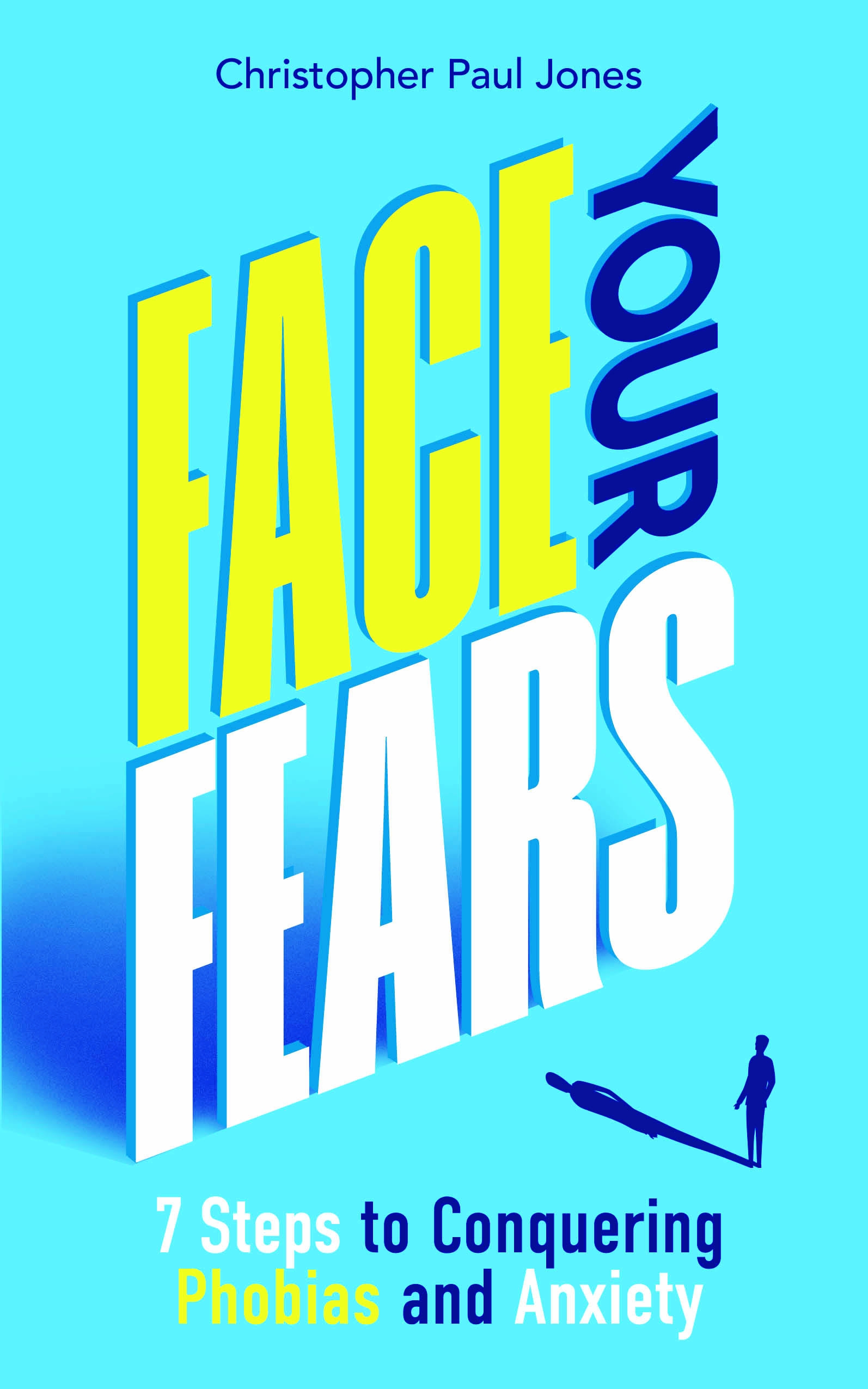
In Christopher Paul Jones’ book FaceYour Fears, he
outlines a process called the Integrated Change System – a seven-step
approach to overcome phobias. Here’s a brief overview of how it works:
1. Recognise – The first step is identifying exactly what you're
afraid of. Not just spiders/dogs etc, but specifically what part? The
movement, the noise, the colours?
2. Relax – You can’t think clearly when you're in panic. Techniques
like deep breathing or grounding help calm the body so change is
possible.
3. Reward – Every fear is trying to do something useful, like protect
you or give you control. Figure out what your mind is trying to achieve
and find better strategies.
4. Recipe – Fear follows a pattern. There’s a sequence of thoughts,
images and feelings and once we map that out, we can begin to change it.
5. Release – This is where we let go of the emotional charge using techniques like visualisation or memory rewiring.
6. Recondition – Here we create a new emotional response, often using
an anchor or a calming trigger that can be recalled in real situations.
7. Realise – We rehearse a future where you feel calm and confident. You train your brain to expect success, not fear.
If you have a phobia, seek help and put that fear behind you.
ABOUT THE AUTHOR
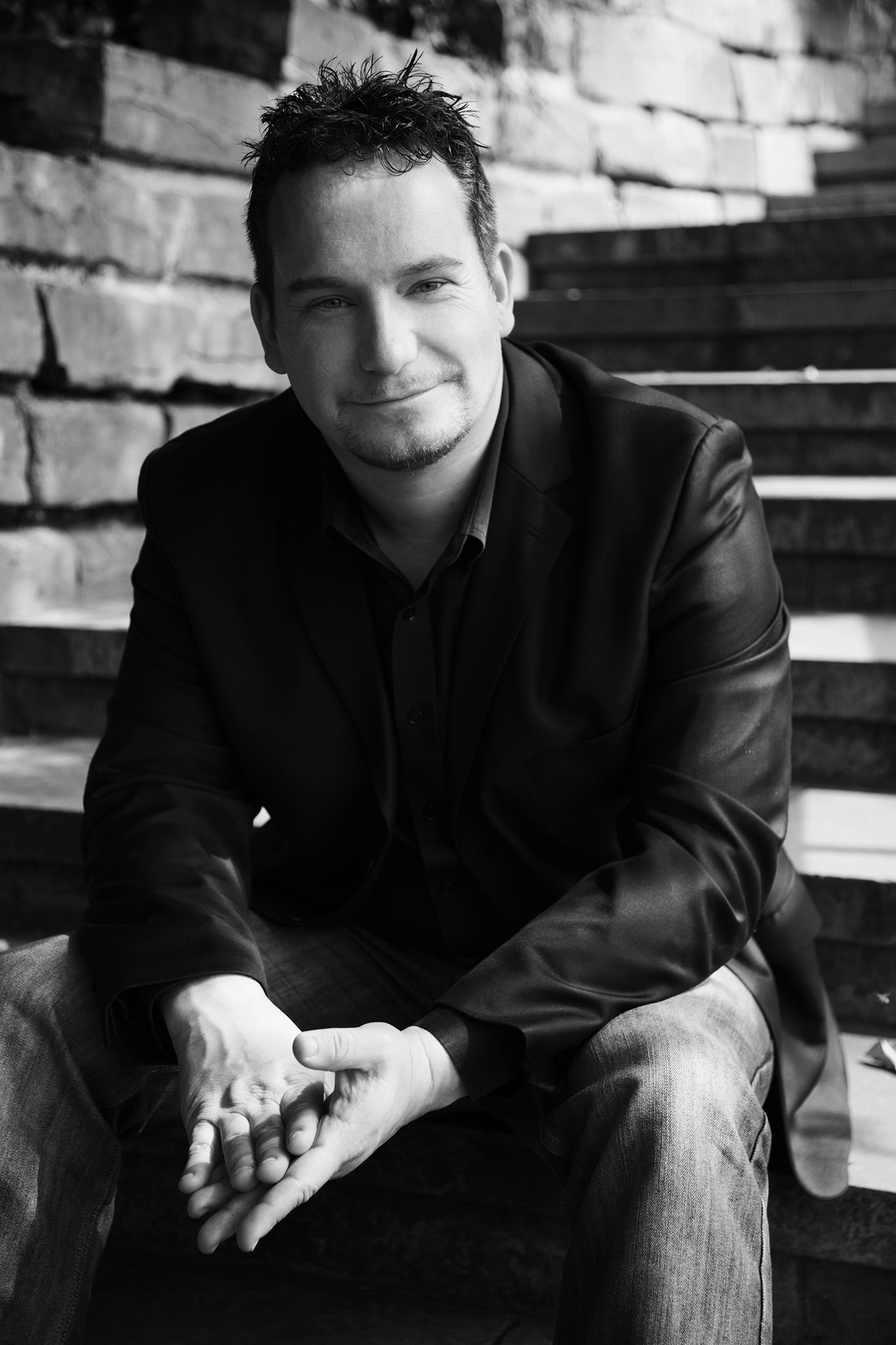
Christopher Paul Jones is a leading Harley Street phobia expert and author of Face your Fears.
Having overcome his own phobias, and conducted 20+ years of research
across Europe, North America and Asia, Christopher has developed an
integrated approach combining mainstream psychology with cutting edge
techniques.
The Integrated Change System™ aims to change the mind’s danger
response and leave people free and happy to enjoy things they once found
terrifying. A fear, anxiety or phobia can be cured in as little as a
session.