As parents, we often don’t give much consideration to our child’s ears – until an issue such as painful infection or an obvious inability to hear properly crops up. But there’s a lot we can do to care for our child’s ears that will support good hearing now and in the future. Christ Cartwright, Director of Audiology at The Audiology Academy, has some expert tips.
Published
For parents of little ones, ear care can feel surprisingly confusing. Should you clean inside their ears? Is earwax actually a problem, or is it helpful? And how do you know when ear discomfort is something that will pass on its own, versus something requiring medical attention?
To help cut through the noise, we have gathered expert guidance on supporting healthy, comfortable ears in children up to age seven years, including what not to do.
How to clean your child’s ears safely
According to Chris, the good news is that ear cleaning for young
children should be simple. In most cases, parents only need to wash the
outer part of the ear, including the small bowl area just outside the
ear canal. A soft washcloth with warm water during bath time is usually
enough.
It is just as important to understand what not to do. Chris advises
avoiding inserting cotton buds, fingers or any tools into the ear canal.
The canal is small, delicate, and easily injured, and it is also
self-cleaning, with skin and wax naturally moving outward at roughly the
same pace that a child’s fingernails grow.
‘If you have concerns
about your child’s ear health or hearing, or if wax appears to be
blocking the canal, you should consult your GP,’ adds Chris. In cases
where wax buildup has been diagnosed, Baby Earol can help soften and
manage excess wax safely. Many families find that two sprays used
regularly, between once a fortnight and once a month, help keep ears
comfortable.
'Earwax moisturises the skin in the ear canal, protects the eardrum from drying out, and traps dust, debris, and other foreign particles.'
Is earwax actually protective?
Many parents are surprised to learn that earwax is not only normal
but helpful. Chris explains: ‘It moisturises the skin in the ear canal,
protects the eardrum from drying out, and traps dust, debris, and other
foreign particles. Wax also keeps the inside of the ear slightly acidic,
which discourages the growth of bacteria and lowers the chance of
infection. Its water-repelling qualities help prevent moisture-related
problems, and it provides a gentle protective barrier for the delicate
skin inside the ear. In most cases, wax should be left alone to do its
job.’
Keeping little ears comfortable in winter
In cold weather, the arteries in the ears can narrow as the body
works to conserve heat. This reduction in blood flow can sometimes lead
to discomfort or pain. Chris says that covering your child’s ears with a
warm hat or headband before going outdoors can make a big difference.
Older children may also find relief from chewing gum or enjoying a
crunchy snack, as the jaw movement can ease pressure. Keeping your child
well hydrated helps support healthy blood flow and can reduce the
impact of cold-weather symptoms.
Common ear issues in childhood
‘Ear-related concerns are very common in this age group,’ says Chris.
Middle ear infections, often triggered by colds or upper respiratory
infections, may cause ear pain, fever, irritability or sleep disruption.
Glue ear is even more common. It affects up to 80 per cent of children
by age four and occurs when fluid collects behind the eardrum without
causing infection. This can lead to temporary hearing changes which may
impact speech and language development, although many cases resolve
naturally.
Hearing loss in this age group is usually linked to glue ear or
middle ear infections. Earwax blockage can also occur, and while wax is
usually harmless, occasionally it can build up enough to cause
discomfort or short-term hearing reduction.
Home treatments parents should avoid
Not all home treatments for the ears are safe. While products such as
Baby Earol can be appropriate for managing wax buildup when used
correctly, other remedies, especially ear candles, may cause harm,
including burns or new blockages. Chris advises that if you are unsure
whether a treatment is safe for your child, it is best to seek advice
from your GP first.
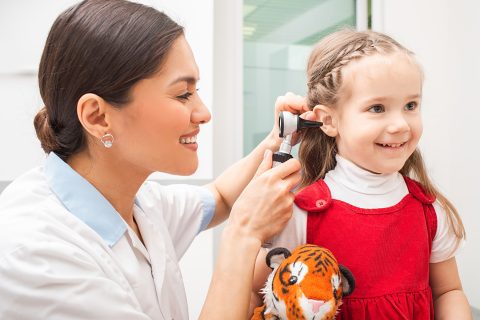
‘You should seek prompt medical care if your child develops new or worsening ear pain, especially when it occurs with fever, irritability or difficulty sleeping.’
When to see a doctor urgently
‘You should seek prompt medical care if your child develops new or
worsening ear pain, especially when it occurs with fever, irritability
or difficulty sleeping.’ says Chris. Ear discharge, sudden hearing loss
and severe ear pain may indicate a more serious problem, such as a
ruptured eardrum or a significant infection. Persistent vomiting,
lethargy, or any signs of being severely unwell warrant immediate
medical attention. If you ever feel concerned about changes in your
child’s hearing, speech, language or behaviour, it is always safest to
have them assessed. Children with risk factors such as Down syndrome,
cleft palate, or facial abnormalities should be evaluated promptly.
How long should parents wait if hearing changes persist?
‘If you notice that hearing changes continues for more than a few
days or occurs alongside congestion, infection or discomfort, seek a
doctor’s appointment promptly,’ says Chris. ‘Early hearing screening is
recommended whenever ongoing or significant hearing concerns arise.’
With gentle care, awareness of warning signs and confidence in your
instincts, you can help keep your child’s ears healthy, comfortable, and
ready for all the listening and learning that childhood brings.